
The 2026 Video Marketing Trends for Manufacturing and Production Assembly Lines
Published on 2 January 2026

Disclaimer: Some links in this site are affiliate links. As an Amazon Associate, we earn from qualifying purchases.
Table of Contents
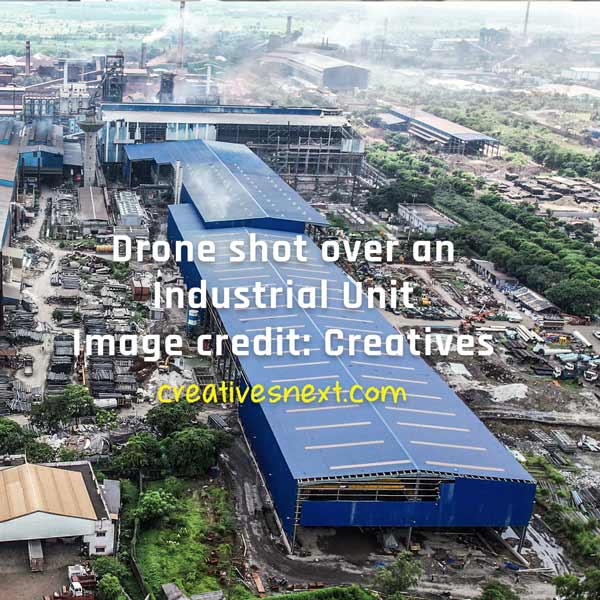
Drone Shooting is an integral part of today’s video production. Use it sparingly in montage, filler and establishing edits [image credit: creatives]
DJI Flip (RC-N3), Drone With 4K UHD
DJI Flip Fly More Combo With RC 2 Screen Remote Controller
The Video-First Imperative in Modern Manufacturing – a Key Element of the 2026 Video Marketing Trends
As we move into 2026, B2B manufacturing marketing is undergoing a profound transformation.
The accelerating digital transformation, shifting workforce dynamics, and persistent supply-chain pressures have fundamentally reshaped how manufacturers attract, engage, and convert buyers.
Industrial purchasing teams now expect more consultative, digital-first experiences that demystify complex manufacturing processes.
Video has emerged as the cornerstone of this transformation—particularly for showcasing production assembly line units, where seeing is often the only effective method of understanding. Let’s explore how manufacturing video is evolving from a supplementary tool to a primary driver of technical education, demand generation, and sales growth in today’s industrial marketplace.
1. 2026 Video Marketing Trends for Manufacturing -Immersive Product Visualization: Going Beyond Static Brochures
The expectation for interactive product discovery has fundamentally changed. Engineering and marketing teams are now collaborating to transform complex manufacturing specifications into intuitive digital experiences through video.

For assembly line unit marketing, this means transitioning from basic product overviews to immersive visual experiences that allow potential buyers to:
- Observe production systems in operation through 360-degree walkthroughs
- Visualize how different components integrate within a larger system
- Understand maintenance procedures and accessibility features
- Experience the precision and efficiency of automated assembly processes
The most successful manufacturers are developing video libraries that serve as technical resource hubs, providing on-demand access to detailed demonstrations that previously required costly on-site visits.
This not only accelerates the buyer’s evaluation process but also significantly increases confidence in purchase decisions.
Let’s now move on to other elements of the 2026 video marketing trends for manufacturing units.
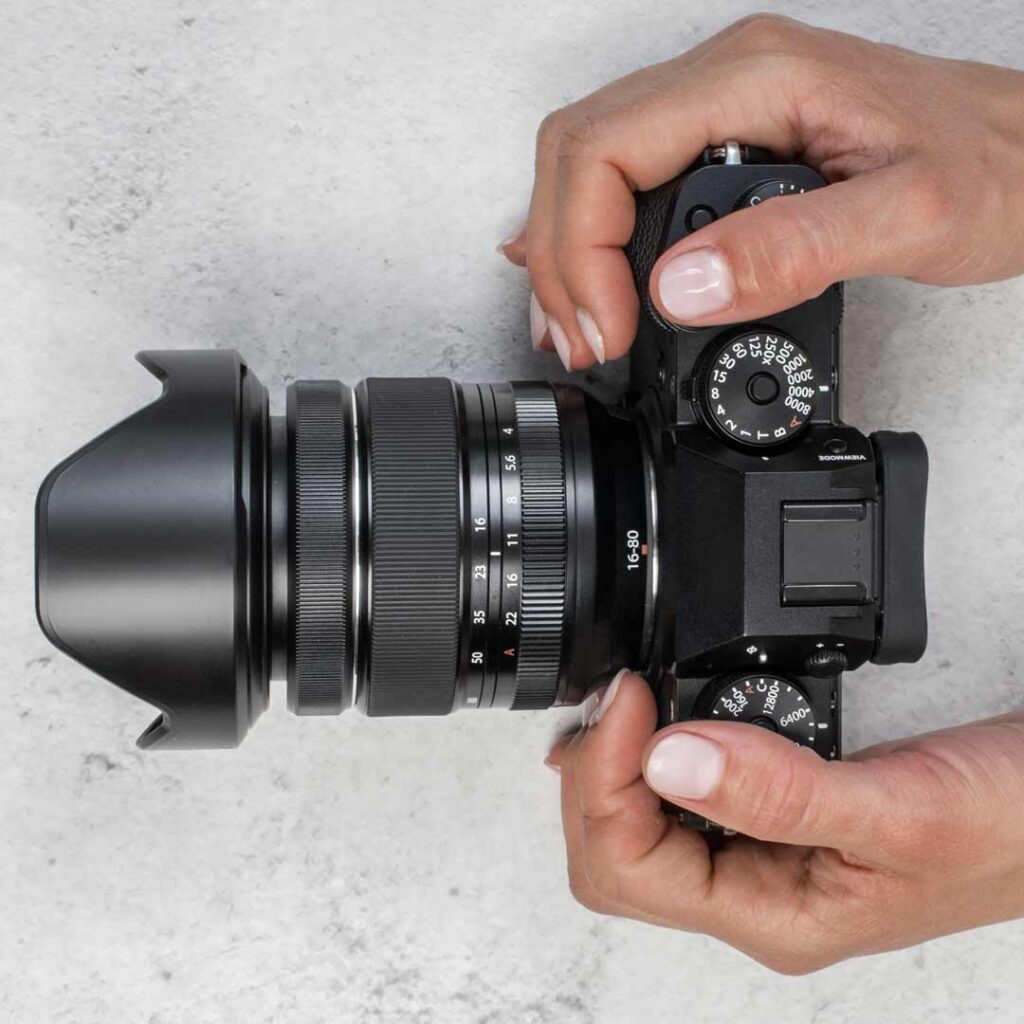
A good one for Industrial filmmaking with high quality 4K footage.
Sony Alpha 7 IV Full-frame Mirrorless Interchangeable Lens Camera with 28-70mm Zoom Lens Kit
- 33MP full-frame Exmor R back-illuminated CMOS sensor
- 8x more powerful, next generation BIONZ XR image processing engine
- Up to 4K 60p 10-bit 4:2:2 w/ full pixel readout in all recording formats
- 7K oversampling full-frame 4K 30p 10-bit 4:2:2 w/ no pixel binning
- Beautiful color expression made simple with S-Cinetone color profile
2. AI-Enhanced Targeting for Precision Video Distribution is one of the Key 2026 Video Marketing trends
Artificial intelligence is revolutionizing how manufacturing videos reach their most relevant audiences. Predictive analytics models now identify in-market buyers long before they submit formal inquiries, enabling precision-targeted video campaigns.
Advanced segmentation techniques blend firmographic data (company size, industry), technographic insights (existing equipment, technical capabilities), and intent signals (search behaviors, content consumption) to ensure that your assembly line videos are delivered to organizations with the highest potential need.
The most sophisticated systems now use dynamic video modules that automatically emphasize features most relevant to each viewer’s industry, technical requirements, or pain points—essentially creating personalized demonstrations at scale.
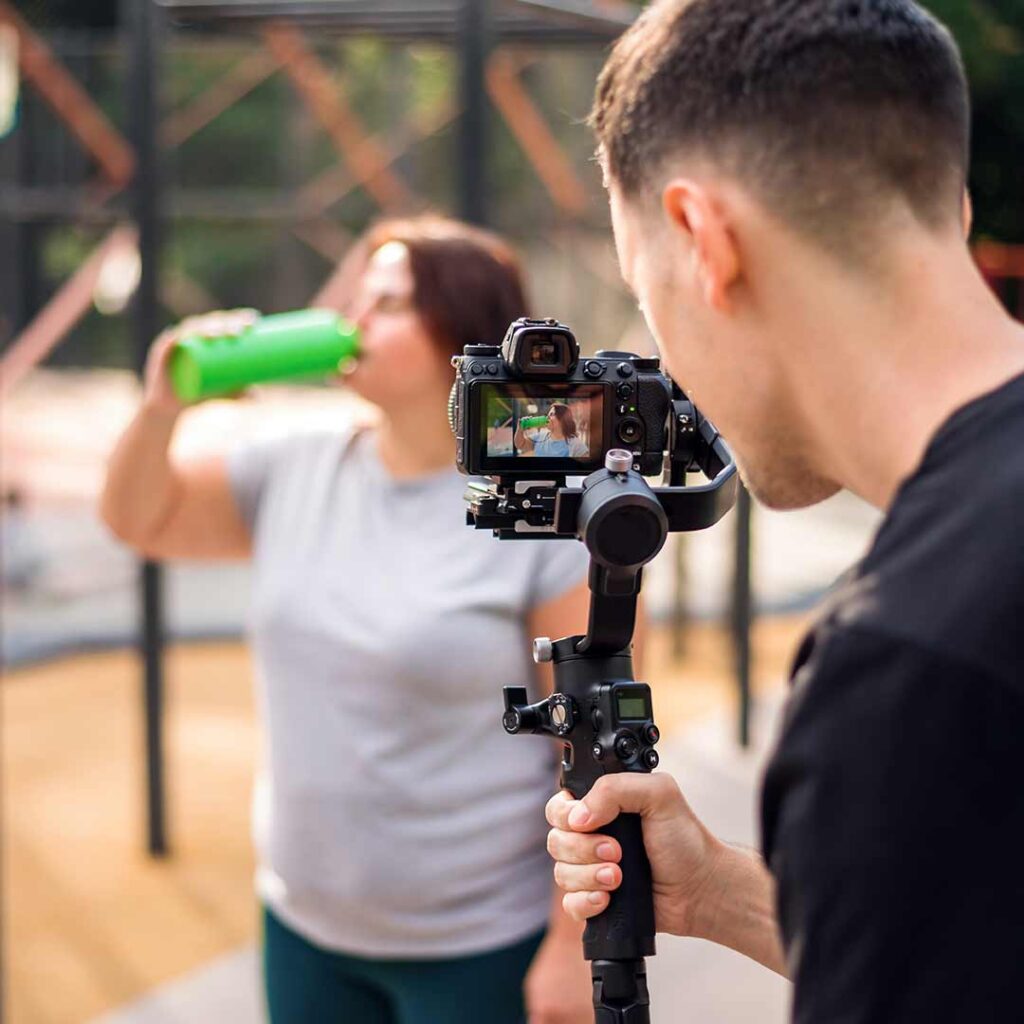
Stabilization Gear: Creating smooth, professional shots of moving equipment – Essential for Steady Footage
Image credit: Freepik
DJI RS 3 Mini, 3-Axis Gimbal Stabilizer for Cameras Canon/Sony/Panasonic/Nikon/Fujifilm, 2 kg (4.4 lbs) Tested
ZHIYUN: Weebill 3S Combo Gimbal Stabilizer for DSLR and Mirrorless Camera
3. Multi-Platform Video Strategy for B2B Manufacturing
| Platform/ Format | Primary Audience | Optimal Length | Key Content |
| LinkedIn Video | Decision Makers. Engineers | 1-3 Minutes | Efficiency gains, ROI demonstrations, integration capabilities |
| YouTube | Technical Team Procurement | 5-15 Minutes | Detailed walkthroughs, technical specifications, comparative analysis |
| Website/ Portal | All buying Committee Members | Varied: 30 sec to 10 mins | Interactive demos, virtual tours, configuration guides |
| Trade Show Digital | Industry Professionals | 30 – 90 seconds | Quick overviews, innovation highlights, problem/solution scenarios |
The most effective manufacturers are developing platform-specific video content that addresses the unique needs and viewing behaviors of different stakeholders within the buying process. Shorter, benefit-focused videos target executives, while detailed technical demonstrations engage engineering teams.
Virtual demos and interactive video presentations are increasingly replacing in-person factory visits, offering comparable depth of understanding without the time and expense of travel. This shift has been accelerated by improvements in video quality, embedded analytics, and seamless integration with CRM systems that track engagement and readiness to buy.
Let’s now explore how we could plan and benefit out of the 2026 video marketing trends for manufacturing and production assembly line in a multi-purpose way.
B2B marketing works best when you integrate one with another.
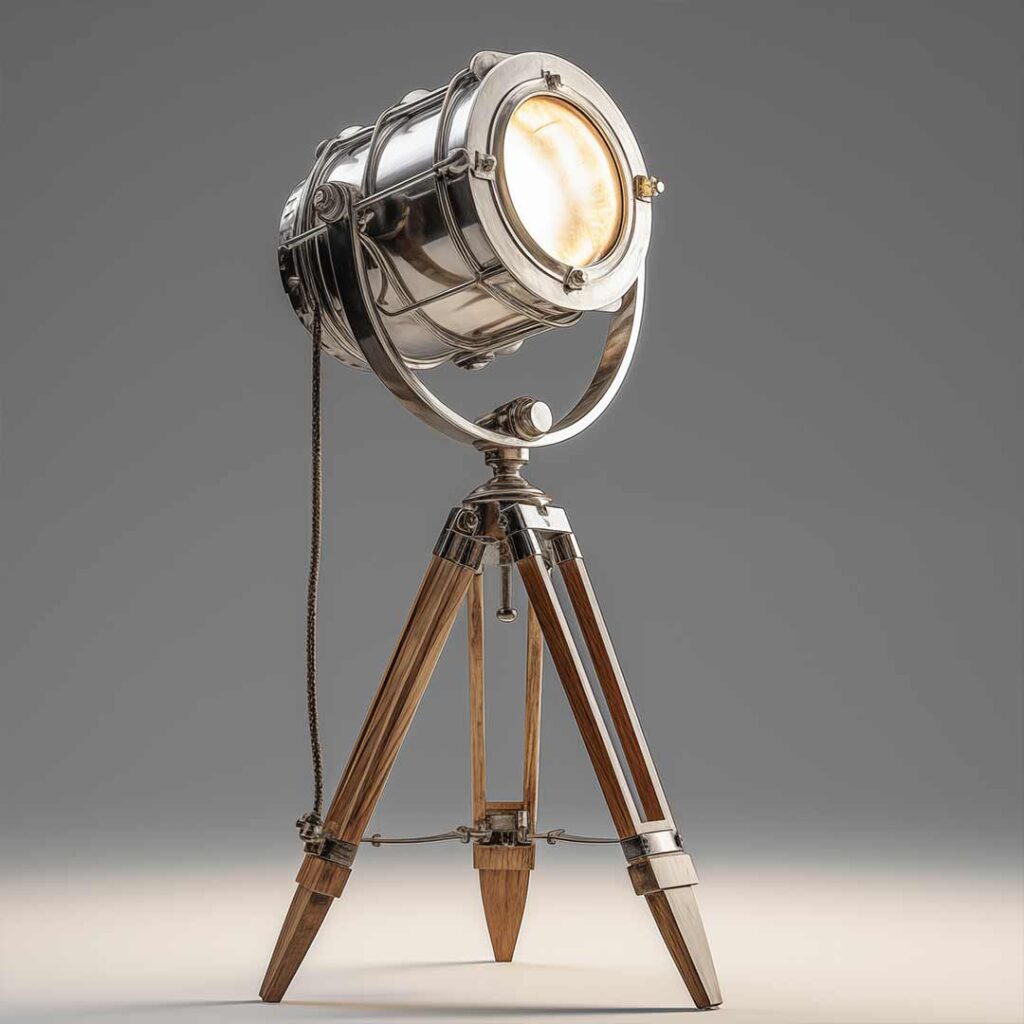
Lighting: Properly illuminating machinery and workspaces is a must for a smart and clean video footage. Here are some budget #e07401buys you may consider (image credit: Freepik).
Aputure Amaran 300c RGB COB Video Light
Godox LA300R RGB Video Light 330W Full-Color LED Light
4. Integrated Marketing Collateral: Video at the Center
Video doesn’t exist in isolation—it serves as the core of an integrated marketing ecosystem. For maximum impact, manufacturing videos should connect seamlessly with complementary collateral to get the best of their B2B marketing:
Supporting Graphic Design Elements
- Technical Infographics that visualize efficiency metrics, workflow improvements, and ROI calculations
- Process Flow Diagrams that contextualize how the assembly line unit integrates into broader production environments
- Comparison Charts that highlight competitive advantages against alternative solutions
- Interactive PDFs that incorporate video thumbnails with direct links to demonstration content
Professional Print Materials
- QR Code Integration on brochures and datasheets that link directly to relevant video content
- Case Study Booklets featuring client testimonials supported by video evidence of results
- Technical Specification Sheets with visual references to corresponding video demonstrations
- Trade Show Graphics that direct booth visitors to digital video displays or virtual reality experiences
Digital Extensions
- Interactive Knowledge Bases with searchable video libraries organized by application, industry, or technical requirement
- Co-Brandable Content Libraries for distribution partners to customize with their own branding
- Modular Content Blocks that allow prospective buyers to build customized presentations from existing video assets
This integrated approach creates a self-serve buying journey where interested prospects can access increasingly detailed information as they move through their evaluation process, with video serving as the central connective tissue that brings technical specifications to life.
Audio Equipment: Capturing clear Machine sounds, Voice overs, Interviews
RØDE VideoMic Pro+ Premium On-camera Shotgun Microphone with High-pass Filter

Rode Wireless GO II Single Channel Wireless Microphone System, Black

5. Transparency and Sustainability Through Video Evidence
Modern manufacturing buyers seek more than promise.
The 2026 video marketing trends for manufacturing units and assembly lines requires you to align accordingly.
They demand verifiable evidence. Video has become the most compelling medium for demonstrating supply chain transparency and sustainability commitments, especially for assembly line units where efficiency and waste reduction are critical selling points.
Forward-thinking manufacturers are developing video content that:
- Showcases energy-efficient operation of assembly systems
- Documents material traceability and ethical sourcing practices
- Demonstrates safety features and operator-friendly designs
- Illustrates end-of-life recyclability or refurbishment processes
These authentic visual narratives build trust more effectively than any written claim or certification badge. They transform abstract sustainability metrics into tangible, believable demonstrations of corporate responsibility and operational excellence.
Action Plan for 2026 Implementation
90-Day Foundation Phase for 2026 Video Marketing Trends for Manufacturing Units
- Audit Existing Assets: Catalog all current video content and identify gaps in showcasing assembly line capabilities.
- Prioritize High-Impact Demonstrations: Select 2-3 critical assembly processes that would benefit most from video demonstration.
- Develop Template Library: Create reusable video templates for consistent branding across different types of content (overviews, technical deep-dives, case studies).
180-Day Expansion Phase – The 2026 Video Marketing Trends
- Implement Interactive Elements: Add clickable hotspots, chapter markers, and embedded specifications to existing videos.
- Launch Partner Portal: Provide distributors with co-brandable video assets and supporting graphics.
- Integrate with CRM: Connect video viewing analytics to lead scoring and sales alerts.
12-Month Transformation Phase
- Develop Full Virtual Tour Capability: Create comprehensive digital factory experiences accessible to qualified prospects.
- Implement AI-Personalization: Deploy dynamic video content that adapts to viewer characteristics and behaviors.
- Establish Continuous Production Pipeline: Build internal capabilities for regular video updates reflecting process improvements and new capabilities.
Conclusion
As we progress through 2026, manufacturers who master visual storytelling for their assembly line units will establish significant competitive advantages.
The convergence of improved video technology, sophisticated targeting capabilities, and growing buyer preference for visual information has created a unique opportunity for forward-thinking manufacturers.
The transition from static specifications to dynamic visual demonstrations represents more than just a marketing trend—it reflects a fundamental shift in how complex industrial solutions are evaluated and purchased.
Manufacturers who embrace this shift will not only accelerate their sales cycles but will also build stronger, more transparent relationships with buyers who increasingly prefer evidence over claims.
Well into the new year and let’s get started together catching with the 2026 video marketing trends for manufacturing and production assembly lines.
Get the best of the B2B lead gen processes.