
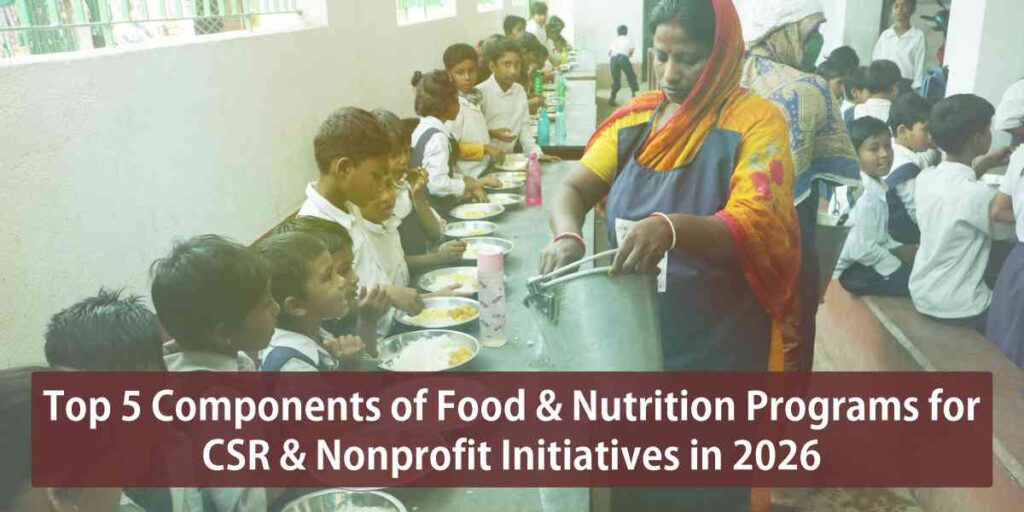
Top 5 Components of Food and Nutrition Programs for Nonprofit & CSR Initiatives in 2026
Published on 12 November 2026
Table of Contents
Introduction
If you look toward 2026, the global challenge of food and nutrition security is evolving. So are the components of food and nutrition programs for Nonprofit and CSR initiatives.
It is no longer just about combating hunger, but about addressing the triple burden of malnutrition—under nutrition, micro nutrient deficiencies, and obesity.
For Corporate Social Responsibility (CSR) initiatives and Nonprofit organizations, this demands a strategic shift from traditional food aid to sustainable, systems-level interventions.
The programs of tomorrow must be innovative, data-driven, and holistic. Here are the top five components that should form the cornerstone of food and nutrition programs in 2026.
Designing the Food and Nutrition Programs for Nonprofit – Targeting the Cognitive Growth of the Kids
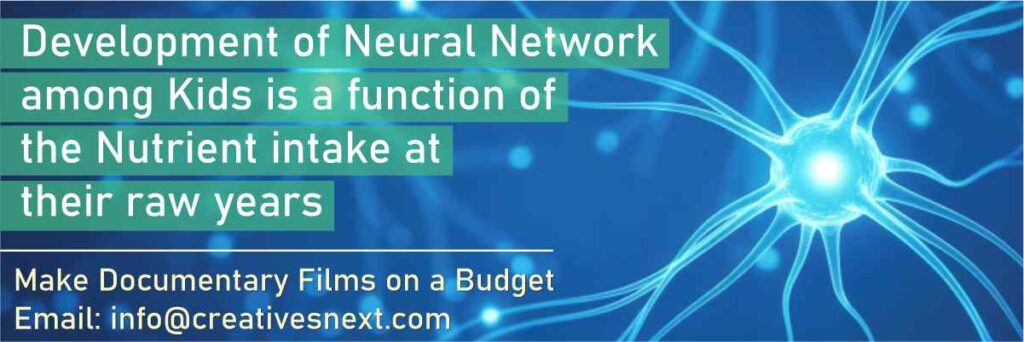
In the critical early years of life, a child’s brain develops at a staggering pace, forming the neural architecture that will underpin all future learning, behavior, and health.
For children living in poverty or facing food insecurity, this vital development is profoundly threatened. The absence of consistent, nutritious food doesn’t just lead to hunger pangs; it directly undermines the very building blocks of cognitive potential.
Understanding the importance of food and nutrition programs for these children is not merely an act of charity, but a strategic investment in their future and the health of our society.
Some Science Facts – You need to know before drawing the components of Food and Nutrition Programs
The science is unequivocal. A developing brain requires a constant supply of specific nutrients to fuel its growth.
Omega-3 fatty acids, found in fish and eggs, are essential for building cell membranes and facilitating communication between neurons.
Iron is crucial for producing hemoglobin, which carries oxygen to the brain; a deficiency can lead to fatigue, poor attention, and impaired learning. Iodine supports thyroid function, which regulates metabolism and brain development, while zinc and choline play critical roles in memory and information processing.
When a child’s diet lacks these components, the brain is literally starved of the raw materials it needs to thrive.
The consequences are measurable: studies consistently show that children experiencing hunger score lower on tests of cognitive function, have poorer memory, and demonstrate diminished academic achievement.
Role of Food and Nutrition in developing neural activities
Beyond the immediate cognitive deficits, food insecurity inflicts a secondary wound through chronic stress.
The uncertainty of not knowing where the next meal will come from activates the body’s stress response systems. Elevated levels of cortisol, the stress hormone, can be toxic to the developing brain, damaging areas like the hippocampus, which is vital for memory and learning.
This combination of nutritional deficiency and psychological stress creates a devastating cycle that is incredibly difficult for a child to break alone.
This is where targeted food and nutrition programs become a powerful intervention.
School breakfast and lunch programs do more than fill empty stomachs; they provide the stable nutritional foundation upon which a day of learning can be built. A child who is not distracted by hunger can concentrate, participate, and absorb information.
Food and Nutrition Programs like the Supplemental Nutrition Assistance Program (SNAP) and the Special Supplemental Nutrition Program for Women, Infants, and Children (WIC) extend this support into the home, ensuring that the most vulnerable—from pregnant mothers to infants and toddlers—receive the specific nutrients required for optimal brain development during these sensitive windows of opportunity.

Planning & Working Out Food and Nutrition Program for Nonprofit & CSR Initiatives
1. Hyper-Localized and Climate-Resilient Food Systems – Drafting Components of Food and Nutrition Programs for Nonprofit and CSR.
The one-size-fits-all model of food distribution is becoming obsolete. The future lies in empowering communities to produce their own nutritious food in the face of climate uncertainty.
- What it looks like: Instead of shipping in generic aid, initiatives will focus on establishing community seed banks with indigenous, drought-resistant crops, promoting hydroponics and aquaponics in water-scarce urban areas, and supporting smallholder farmers with training in regenerative agriculture. This builds local economies, reduces the carbon footprint of food transport, and ensures dietary diversity with culturally appropriate foods.
- Action for 2026: CSR funds can invest in agri-tech startups focused on climate-smart solutions, while nonprofits can act as facilitators, providing training and resources to create self-sustaining local food hubs.
2. Components for Food and Nutrition Programs for an Integrated Nutrition Security and Education
Providing food is only half the battle. The other half is ensuring it is consumed effectively to improve health outcomes. This requires a deep integration of nutrition education with food access.
- What it looks like: Programs will pair food distributions with cooking demonstrations, “nutrition prescription” plans developed with local health workers, and digital platforms offering simple, healthy recipes. The focus will be on preventing malnutrition in the first 1,000 days of a child’s life and managing diet-related non-communicable diseases like diabetes and hypertension in adults.
- Action for 2026: Develop “Nutrition Kits” that include not just ingredients, but measuring tools, pictorial guides, and QR codes linking to educational videos. CSR initiatives can sponsor these kits and fund community nutrition ambassadors for an efficient implementation of Food and Nutrition Programs.
3. Leveraging AI and Data Analytics for Precision Intervention of Food and Nutrition Programs for Nonprofit and CSR initiatives
Technology will be a game-changer in identifying needs, predicting shortages, and optimizing resource allocation.
- What it looks like: Using satellite data and AI to predict crop failures in vulnerable regions, allowing for pre-emptive action. Mobile apps can help track the nutritional status of children in anganwadis or community centers, flagging at-risk individuals for immediate intervention. Data analytics can map “food deserts” to pinpoint exactly where to establish new food distribution points or farmers’ markets.
- Action for 2026: Nonprofits should partner with tech companies (a perfect CSR partnership) to develop low-cost, user-friendly data collection tools. Corporations can offer their data science expertise pro-bono to help organizations make sense of the information they collect.
4. A Circular Economy Approach to Food Waste
With a third of all food produced globally going to waste, tackling this issue is both an environmental and a moral imperative. The most forward-thinking programs will view “waste” as a resource.
- Action for 2026: CSR mandates can fund logistics for food recovery networks and invest in social enterprises that have viable upcycling business models. Nonprofits can lead community-level awareness campaigns on food waste reduction at the household level.
- What it looks looks like: Initiatives will focus on creating “farm-to-fork” recovery networks. This includes supporting technologies that upcycle imperfect produce into value-added products (e.g., chips from misshapen fruits), creating composting systems that turn organic waste into fertilizer for local farms, and establishing partnerships between hotels, restaurants, and shelters for safe and efficient surplus food redistribution.
5. Focus on Mental Health and Nutritional Psychiatry
The profound link between diet and mental well-being is an emerging frontier. For vulnerable populations experiencing stress, trauma, and food insecurity, this connection cannot be ignored.
- What it looks like: Nutrition programs will begin to incorporate elements that support gut health and brain function, recognizing that a healthy gut microbiome is crucial for mental health. This could involve promoting fermented foods, omega-3 rich sources, and complex carbohydrates. Furthermore, programs will be designed with psychological safety in mind, reducing the stigma of receiving aid and fostering community connection through shared meals and gardening therapy.
- Action for 2026: Pilot programs that combine access to nutrient-dense foods with group therapy or mindfulness sessions. Train community health workers to understand the basics of nutritional psychiatry and recognize the signs of mental distress linked to poor nutrition.
Conclusion: The Shift from Aid to Empowerment
Food and Nutrition Programs are not about simply providing calories. They are about providing potential.
By safeguarding the cognitive growth of children in need, we are nurturing future scientists, teachers, artists, and leaders.
With Food and nutrition programs, CSR and Nonprofit are reducing the risk of long-term health complications and enhancing a child’s capacity to contribute positively to their community.
Ensuring that every child has access to nutritious food is one of the most effective and humane ways to break the cycle of poverty and build a brighter, more equitable future for all.
The defining theme for 2026 is a move away from dependency-creating aid and toward empowerment-building systems. The most successful CSR initiatives and Nonprofit organizations will be those that integrate these five components—localizing food production, educating for health, leveraging technology, embracing circularity, and nourishing the mind as well as the body.
By investing in these areas, we can build a future where communities are not just fed, but are truly nourished, resilient, and empowered to sustain their own well-being for generations to come.
For more Outlook on CSR & Nonprofit interventions, click here.
This is a human crafted content, assisted by AI.